
Configure your label
Contact

3 Common errors in Laboratory Labeling & How to Avoid Them

02 Sep 2025

Author: CILS International

Accurate labeling is essential for maintaining data integrity, reducing errors, and protecting the success of laboratory projects. Yet, labeling is often an afterthought, and small mistakes can cause wasted time, higher costs, or compromised results.


Here are three of the most common laboratory labeling mistakes and practical ways to prevent them.

1. Choosing the Wrong Label for the Application

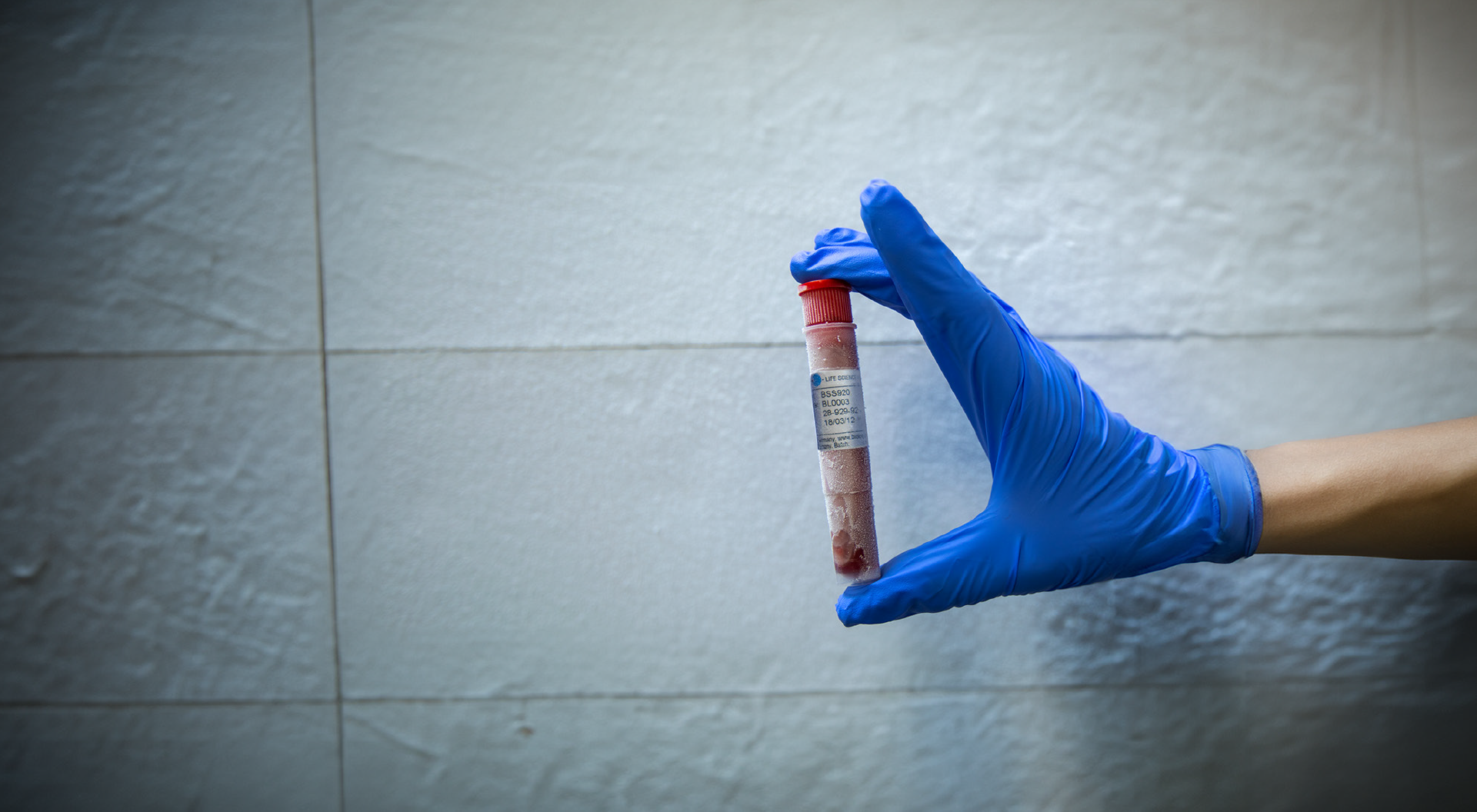
Laboratory environments can be challenging, with samples exposed to extreme temperatures, chemicals, solvents and handling. Using the wrong label can result in poor adhesion, fading print or complete label failure.

Consider the following when selecting labels:

• Will it adhere securely to the required surface, including frozen or curved containers?
• Is the print durable and resistant to smudging or fading?
• Can it withstand your processes such as liquid nitrogen storage, autoclaving or chemical exposure?
• How long does the label need to remain legible, days, months or years?

Solution: Work with a labeling specialist who can recommend the right combination of material, adhesive, ribbon and printer to ensure your labels perform reliably. Our specialists at CILS can review your current labeling and recommend the ideal solution for your applications.

2. Relying on Handwritten Labels

Handwritten labels may be quick, but they are prone to smudging, misinterpretation and human error. Illegible or inconsistent handwriting can make it difficult for teams to identify samples accurately, increasing the risk of mistakes.

Solution: Upgrade to computer-printable laboratory labels. Printing labels is quick, efficient and provides consistent, clear and durable results. Labels can be produced in batches or individually, improving traceability and saving valuable time.

Whether you need blank, pre-printed or fully printed labels, CILS can provide a complete in-house solution – from label rolls to printers and software – so you can easily print variable information within your lab.

3. Incorrect Handling and Application

Even the best labels can fail if they are not applied properly. Touching the adhesive side too much or applying labels with powdered gloves can reduce adhesion, causing them to peel away.

Solution: Handle labels as little as possible and apply them smoothly to clean, dry surfaces. Minimizing contact helps the adhesive bond effectively and ensures long-lasting performance.

See how our labels perform in real-life applications.


Strengthen Your Laboratory Labeling Strategy

Reliable labeling is an essential part of laboratory best practice. By selecting the right labels, avoiding handwriting and applying them correctly, laboratories can improve accuracy, efficiency and compliance. If you are looking to improve your laboratory labeling, our team of specialists can help you find a durable, cost-effective solution tailored to your application.

CONTACT US

Book a meeting
Please fill out the form below and one of our specialists will be in touch with you shortly to schedule your meeting.
Meeting time and date

*indicates required

Tick here if you’d like to receive communications from us.

By submitting this form, you agree to our Terms and Conditions, along with our Privacy and Cookie Policy. This site is protected by reCAPTCHA and the Google Privacy Policy and Terms of Service apply.

We are computer printable label specialists. Pure and simple.

With nearly 40 years of expertise, our tried-and-tested approach will diagnose the right label for your unique needs. We have built our reputation on consistently creating the highest quality durable labels with excellent customer feedback.

© Copyright 2026. All rights reserved.