
Choose your industry sector:
18 Feb 2026
Author: CILS International
As laboratories evolve to handle larger data volumes and faster turnaround times, Laboratory Information Management Systems (LIMS) are reshaping how teams track samples, manage workflows and report results. However, this infrastructure only works if the link between physical samples and each stage of its production or processing cycle remains intact.
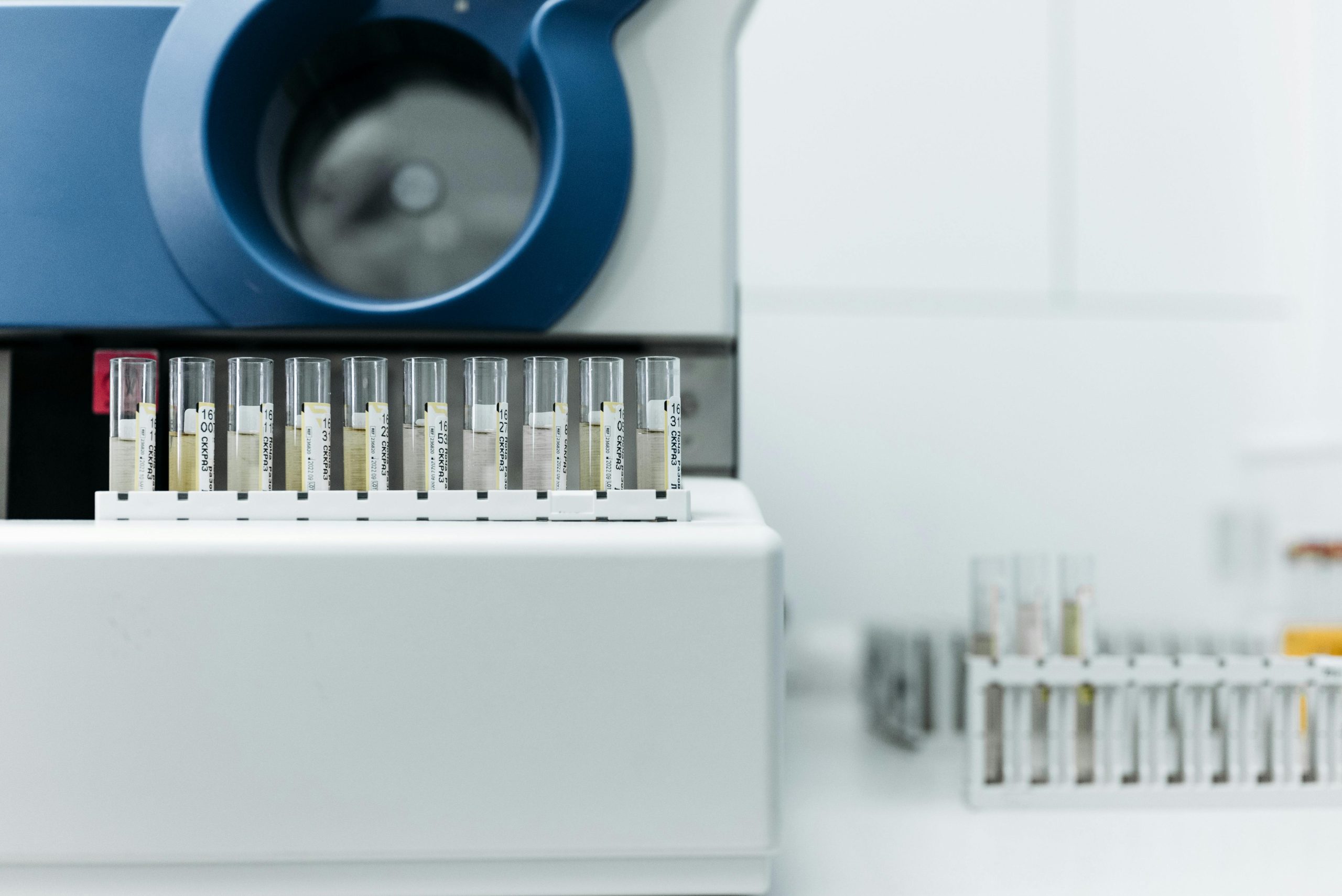
In practice, that link often relies on a small, durable label. Illegibility or damage to this label’s details can disrupt the connection between samples and databases. What once may have been a singular misidentified vial under manual analysis can now trigger spoiled batches, delayed releases and interruptions across automated workflows. In high-integrity environments such as clinical trials, these failures can have serious financial and reputational consequences.
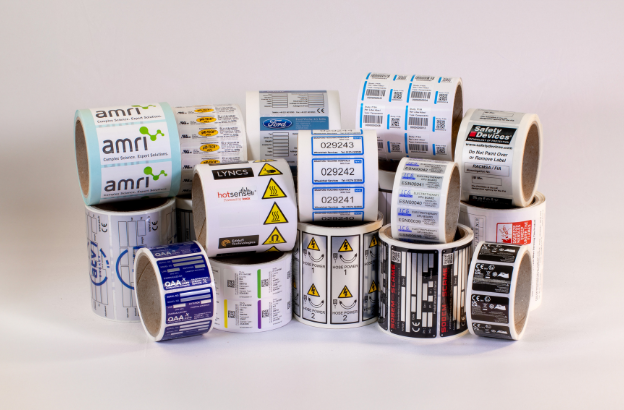
As more laboratories introduce automated handling and robotics throughout workflows, the labels used in these settings will often need to tolerate repeated handling, refrigeration or freezing, exposure to moisture and a mix of chemicals, all while remaining securely affixed and easy to scan. In many labs, labels capable of meeting these performance requirements have become as essential to workflow continuity as any other form of traditional quality assurance infrastructure.
Material choice plays a key role. Polyester face materials are often a strong fit for lab environments because they balance temperature resistance, chemical tolerance and good abrasion performance, making them suitable for many tubes, plates and equipment labels. In some applications, however, polyester alone is not enough, particularly where aggressive solvents like xylene, ethanol or harsh cleaning agents are used repeatedly or at elevated temperatures.
In histology, chromatography and intensive wash or decontamination cycles, specialized solvent-resistant constructions and carefully matched ribbons or print methods are needed to keep barcodes and text legible over time. Abrasion-resistant print surfaces are also essential in applications where tubes and plates pass through automated handling systems. Autoclaves, repeated handling and low surface energy substrates can also cause labels to lose adhesion or become illegible.
Before implementing new machinery, testing protocols or sample-processing formats, we recommend walking through your laboratory production line step by step. A label that suffices for post-analysis cataloging may fail when exposed to cryogenic conditions or harsh chemicals. Documenting potential hazards in advance ensures the correct label materials are selected and supports consultation with our labeling specialists.
Ordering suitable labels, first-time around, can prevent serious headaches, such as spoiled batches caused by sample labels that become unreadable during processing and can no longer be reliably tracked within LIMS workflows. When a new, potentially harsh process is being introduced or tested in your laboratory, put yourself in the label’s shoes. Speak with a labeling specialist to ensure your identification solutions are engineered to perform under the exact conditions of your lab.
The challenge for durable label manufacturers is to keep pace with this change, offering constructions that work seamlessly with scanners, robotics and LIMS logic without further complicating QA for lab technicians. After years of working with laboratories, we repeatedly hear one justification for durable label inquiries: peace of mind.
As labs develop new chemicals, mechanical processes, and cryogenic applications, we continue refining our materials and constructions to meet the unique and demanding conditions you encounter.
We are computer printable label specialists. Pure and simple.
With nearly 40 years of expertise, our tried-and-tested approach will diagnose the right label for your unique needs. We have built our reputation on consistently creating the highest quality durable labels with excellent customer feedback.
TEL: 877-512-8763 (US)
Email: info@cils-international.com