
Choose your industry sector:
15 Jan 2026
Author: CILS International
In the world of histology and histotechnology, xylene stands out as one of the most popular clearing agents for preparing tissue samples and slides for microscopic examination. Since its introduction in the mid-20th century, the agent has remained widely used despite the synthesis of safer alternatives due to its chemically aggressive nature, compatability with paraffin wax and high solvency. However, its reactiveness comes with a drawback to material suppliers whose products are designed to come into contact with xylene. This guide will briefly explain how xylene interacts with label materials in practice and what lab technicians should look for when selecting solutions that can withstand the chemical.
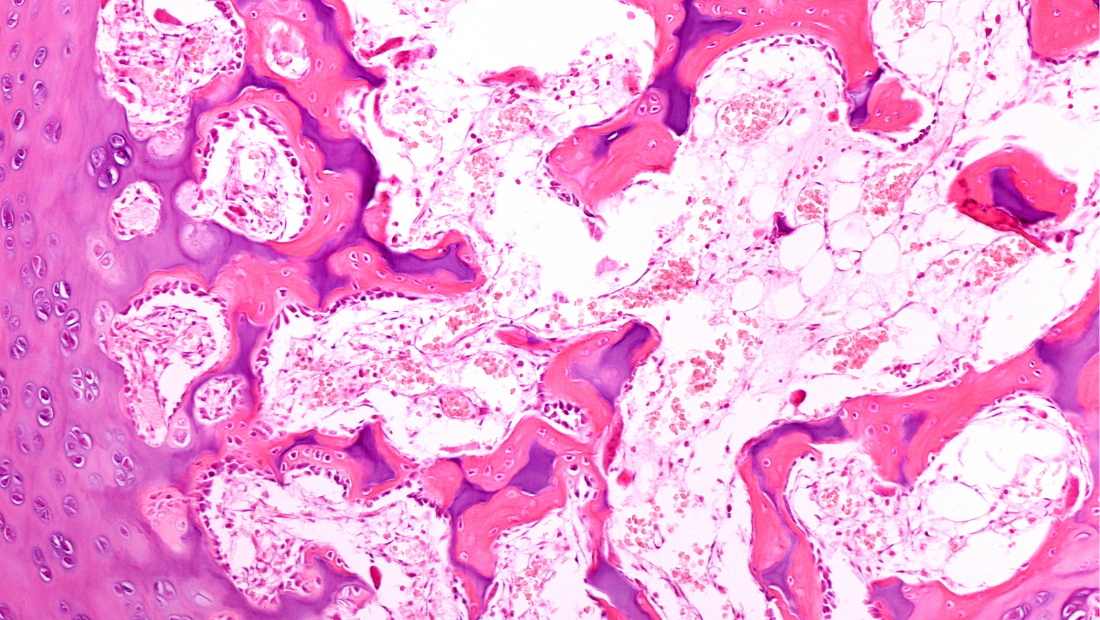
When creating stable samples for long-term storage or analysis, labs will often prepare tissues for microscopic examination through a process called histotechnique. Following the initial stages of histotechnique, including identification and fixation, laboratories will use graded alcohol solutions to remove and replace water from samples. However, soon after alcoholic solutions fulfil their purpose, they need to be removed as they can impede paraffin infiltration and compromise the clarity of finalised samples. This is where xylene comes in.
Xylene is used as a clearing agent to replace the alcohol, rendering the tissue translucent and allowing paraffin to fully infiltrate the specimen. Once xylene has done its job, samples are embedded in a block of paraffin for physical support and are sliced about 1 or 2 cells thick with an instrument called a microtome, all before being mounted on glass slides.
Despite its effectiveness within the preparation of tissue for microscopic analysis, xylene’s strongest asset is also perhaps its biggest downfall. The very physicochemical properties that make it useful in histology are essentially the same ones that make it dangerous. The chemical’s strong lipophilicity and ability to dissolve fats and waxes allow it to clear tissues, displace alcohol, and mix with paraffin and mounting media with relative ease. The same volatility and affinity for biological membranes also drive its tendency to accumulate in lipid‑rich tissues, which can cause irritation and central nervous system depression to lab technicians if not managed properly.
When unsuitable labelling comes into contact with xylene, that same, dangerous solvent power attacks label construction, swelling or dissolving some common labelling materials as these are themselves organic polymers with similar solubility parameters to xylene. Additionally, xylene can solvate or plasticise adhesive layers, reducing tack and causing edge lift or even complete detachment. Label ribbons not built to withstand harsh chemicals can lead to print lifting and resin bleed. There are also potential issues surrounding long-term print legibility following xylene exposure due to trace reactivity between the chemical and dye-based inks and unsuitable toners. Our range of specially formulated chemical resistant lables ensure print durability, legibility and adhesion throughout entire workflows, even when exposed to harsh cleaning agents.
In collaboration with a high-throughput diagnostic laboratory processing over 4,000 samples per day including cytological smears, skin samples, biopsies, puncture fluids, and surgical tissue specimens, we conducted an extensive performance evaluation of our chemical-resistant polyester range under prolonged xylene exposure. Through a combination of our high-grade polyester facestock and our specially formulated resistant ribbon, we demonstrated exceptional durability, successfully meeting rigorous criteria for print legibility and adhesion when subjected to harsh clearing agents.
In histology, precision and reliability are everything. We know that failed identification means a failed process. As the field continues to advance, we take pride in providing labels engineered to perform, even under the toughest of laboratory conditions.
If you’d like to learn more about our testing or labelling specifications, get in touch with one of our products experts today.
We are computer printable label specialists. Pure and simple.
With nearly 40 years of expertise, our tried-and-tested approach will diagnose the right label for your unique needs. We have built our reputation on consistently creating the highest quality durable labels with excellent customer feedback.
TEL: 0800 917 0024
Email: info@cils-international.com