The Role of Labels at the 2026 Tournament
This June, the tournament kicked off with games spread across US, Canada and Mexico. Following swiftly on the heels of the premier global club tournament, this summer’s event is set to make 2026 a bumper year for numerous industries, both domestic and international.
Excited markets of consumers are descending on international airports, hotel booking sites, sports retailers and even their television sets. This captive audience are not just expecting the excellence usually tied to an event of this scale. They also expect their experience of the tournament to be safe, well-managed and ultimately uninterrupted.
In the spirit of the great game, whether wanted or not, all conversations until July 19th are likely to contain some element of chatter about goals, red cards or less than ideal refereeing. However, what happens on the pitch represents only a tiny sliver of what it actually takes to put on the greatest sports show in the world. That’s why we’re putting in our twopence.
Although labels and the tournament may seem worlds apart, we wanted to explain the close link the two have and how here at CILS we have geared up to keep the ball rolling through to July.
TV and Broadcast
The 2022 tournament reached a total audience of 5 billion people across all platforms, including linear television, digital media, social networks, and official platforms. In 2026, organisers expect to see close to 6 billion people tuning into the tournament in some way, the vast majority of which will be thousands of miles from the games themselves.
As supporters tune in from Africa, East Asia and Australia, their engagement is dependent on infrastructure in place within stadiums, TV studios and data centres spread across North America and beyond. The average Premier League stadium can contain over 200km of cabling, wiring everything from crowd ambience for TV streaming audio, through to lighting controls for on-site TV studios.
The network of broadcasting such an international event extends beyond the stadium. Take the UK for example where our national broadcaster the BBC will be conducting its matchday analysis programming domestically from studios in Salford, Manchester.
Outside of traditional TV broadcasting, people will be viewing highlights on YouTube, asking AI tools for summaries of games, posting videos of their gameday experiences and so on. For this stream of information to remain accessible, data centre infrastructure is the cornerstone to the event being accessible for all.
When hundreds of millions are being spent on broadcast rights, a failed connection interrupting pictures can be damaging to reputation and offensive to many who may be paying to watch live footage. When hundreds of millions are being spent on broadcast rights, a failed connection interrupting pictures can result in a commercial disaster
What restores that connection quickly is rarely glamorous. In a busy data centre or mobile broadcast unit, a technician tracing a fault is working against the clock, often through dense runs of near-identical cabling installed by someone on a different crew, in a different city, days earlier.
Tournament broadcasting moves, rigs are broken down and set up again, constantly. Labelling is the thread of continuity amongst this madness. Be it colour coded wrap-around labels or temperature resistant rack IDs, labels will represent an incredibly important part of any major studio’s set up over the next few weeks.
Clean Zones
These aforementioned viewers make for a highly engaged audience. Some at home with view of advertising hoardings to big spenders in corporate boxes. The tournament hence sees this audience as a key opportunity to advertise and partner with some of the world’s biggest companies. To stop external brands from sneaking aboard this opportunity and advertising themselves within the boundaries of the organisers’ events, the tournament features a control called clean zones.
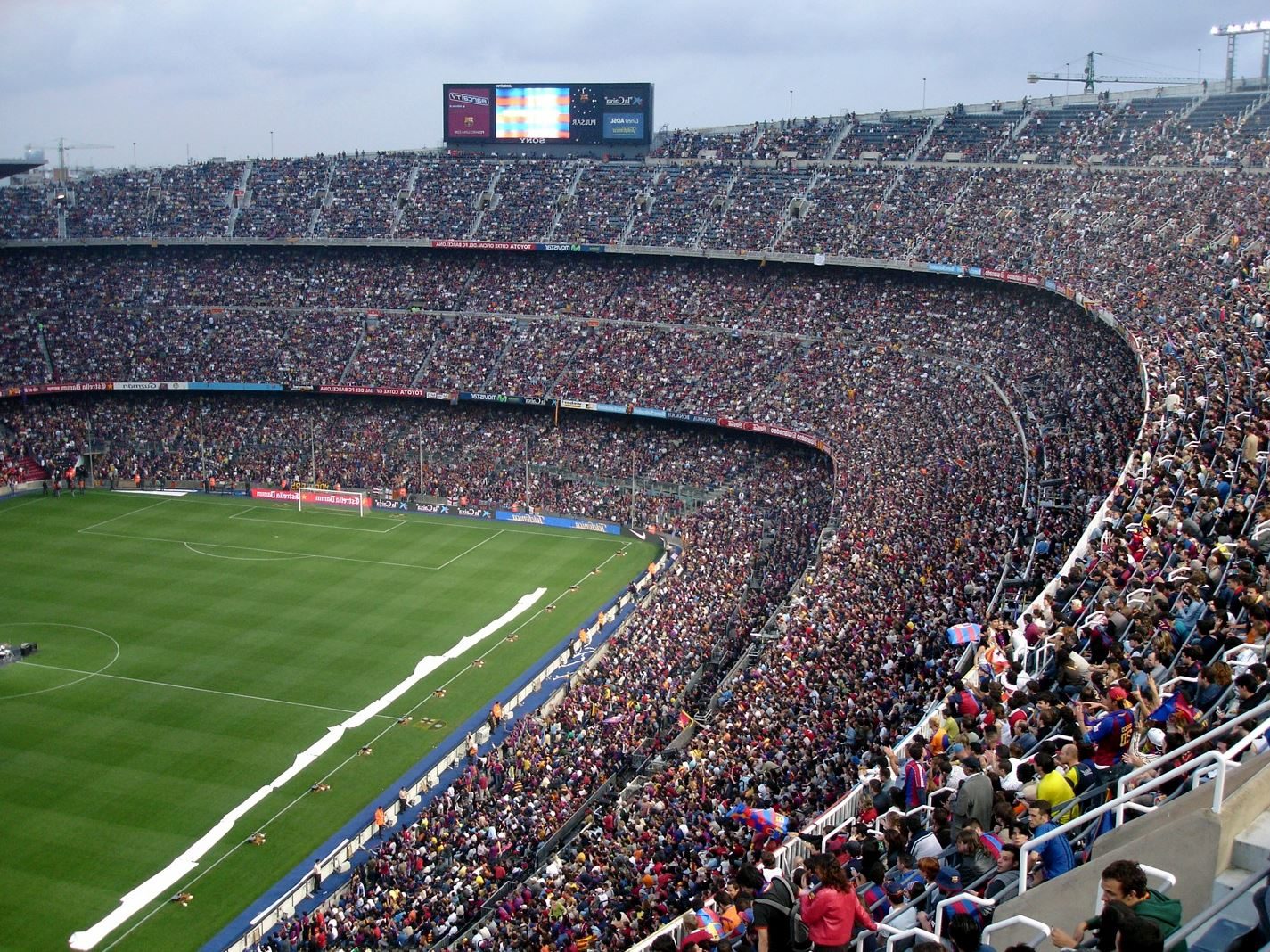
These exclusionary zones are set across a 2km radius surrounding each game’s stadium. Clean zones restrict the commercial activities of unauthorised businesses both to protect the tournament’s revenue streams but also to prevent non ethically aligned or inappropriate entities from associating themselves directly with the tournament. This extends beyond local billboards and promotions however, with stadium sponsors and existing branding within match venues having to be covered to protect commercial interests. Even players wearing headphones are having to cover any branding to prevent infringement.
This is where labels come in.
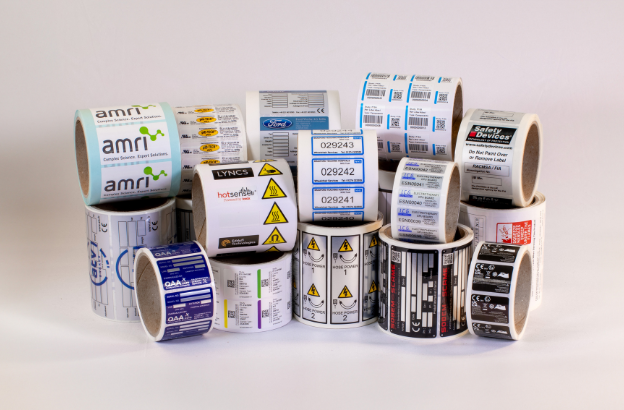
Organisers and stadium operators use various methods of covering branded assets including durable labels. On items such as logos on seats, branding on digital equipment, wayfinding signage, and concession stands. Rather than undergo costly removals of key equipment, industrial labels can cleanly cover restricted assets and be removed after the tournament.
Additionally, stadiums throw an array of environmental stressors to labels. When a single sponsorship slot can set a business back hundreds of thousands of dollars, a label failing and revealing an unapproved piece of branding is unacceptable. That’s why durable labels like those supplied by CILS can be considered the ideal choice to survive handling, consistent human touch, UV and cleaning chemicals.
Travel
It’s no surprise that the world’s biggest sporting tournament requires quite a lot of moving people about. Players, fans, technical staff and filming crews are flying across borders, flying down highways and catching local public transport day in day out, all to fill their important role in making the tournament the spectacle that it is.
Each mode of transport has a different, important label requirement. Engine component warranty stickers, public emergency instruction and safety labels, even luggage tags for delicate camera equipment. All of these important features keep team buses rolling, film crews filming and attendees partying, all in a safer and more compliant manner.
Food and Drink Logistics
People are expected to eat and drink a lot this summer at the tournament, both inside and outside the stadiums. Official drinks and food sponsors will be expected to keep a steady flow of cold beer and hot food flying out of kiosks across the ground, while outside the stadium restaurants, hotels, food trucks and supermarkets are preparing for an influx of fanfare and sales.
Food labels have strict labelling requirements and with good reason. The information contained on these labels is essential for ensuring food safety, while also helping consumers make informed purchasing decisions.
Allergen and nutritional information, use by dates and traceability information is an important part of every food sale at the tournament. A restaurant being warned of nut allergens on a pallet of desserts or a use by on a box of refrigerated fish can be the barrier between serious illness for vulnerable attendees. This essential information can only act as a barrier if it’s clear and legible, hence the need for labels can last in refrigerated environments, not fade in UV light and survive scrapes and prolonged pressure in transit.
Consumer Goods
The global football shirt merchandise market is valued at $15.9 billion. Year on year, British retailers have seen a 765% increase in England shirt sales ahead of this summer’s tournament. Kids are kicking official match balls in back gardens and asking parents for plushies of the tournament mascot.
The tournament is a powerful symbol of trust. The biggest sporting event on the planet. This is unfortunately an opportunity for bad actors to use this consumer trust to create and sell products that pose a risk to the health and safety of consumers.
Security features such as tamper evidence and even extremely precise branded printing – made possible by CILS’s 3.0 technology are being used from factory to shop floors across many of the leading producers of apparel and merchandise for this year’s tournament.
With the economic opportunity of such an event, producers are constantly looking for new ways to ensure they are not competing with bad actors and counterfeiters. Conversely, football fans want to know that what they are buying is both the real deal and safe for themselves and others. Modern label technology adds another layer of protection and peace of mind in this regard.
Conclusion
When the dust settles following the final whistle, very few people will be reflecting on labels. And that, in many ways, is exactly the point. The conversations will be about goals, the food, the television reception and the event that defined a summer. Nobody in a packed stadium is thinking about the label covering a competitor’s logo on the seat beneath them, or the cable marker that helped a technician restore a broadcast feed. That’s the nature of the work and why there are organisations such as CILS.
Behind every piece of equipment that meets expectations and every shipment that arrives on time, there is a label doing a quiet and specific job. Engineered for a purpose, and very much part of what keeps the greatest show on earth running without anyone ever needing to notice.
Want to find out more about the labels we offer, get in touch today.



 French
 German
 US English