
Choose your industry sector:
30 Apr 2026
Author: CILS International
The global clinical trials market is worth almost $99 billion, with some estimates expecting this figure to nearly double by 2035. However, high overhead costs, complex chains of custody, and pressure for rapid patient rollout often mean that, in order to maintain the financial health of a study, clinical research sites need to be run with extreme efficiency.
Studies show that approximately 7.3% of all rejected samples in clinical settings can be attributed to labeling errors. In the precise and sensitive environment of a clinical laboratory, a failed test or batch caused by poor labeling wastes valuable time and resources and is often entirely avoidable.
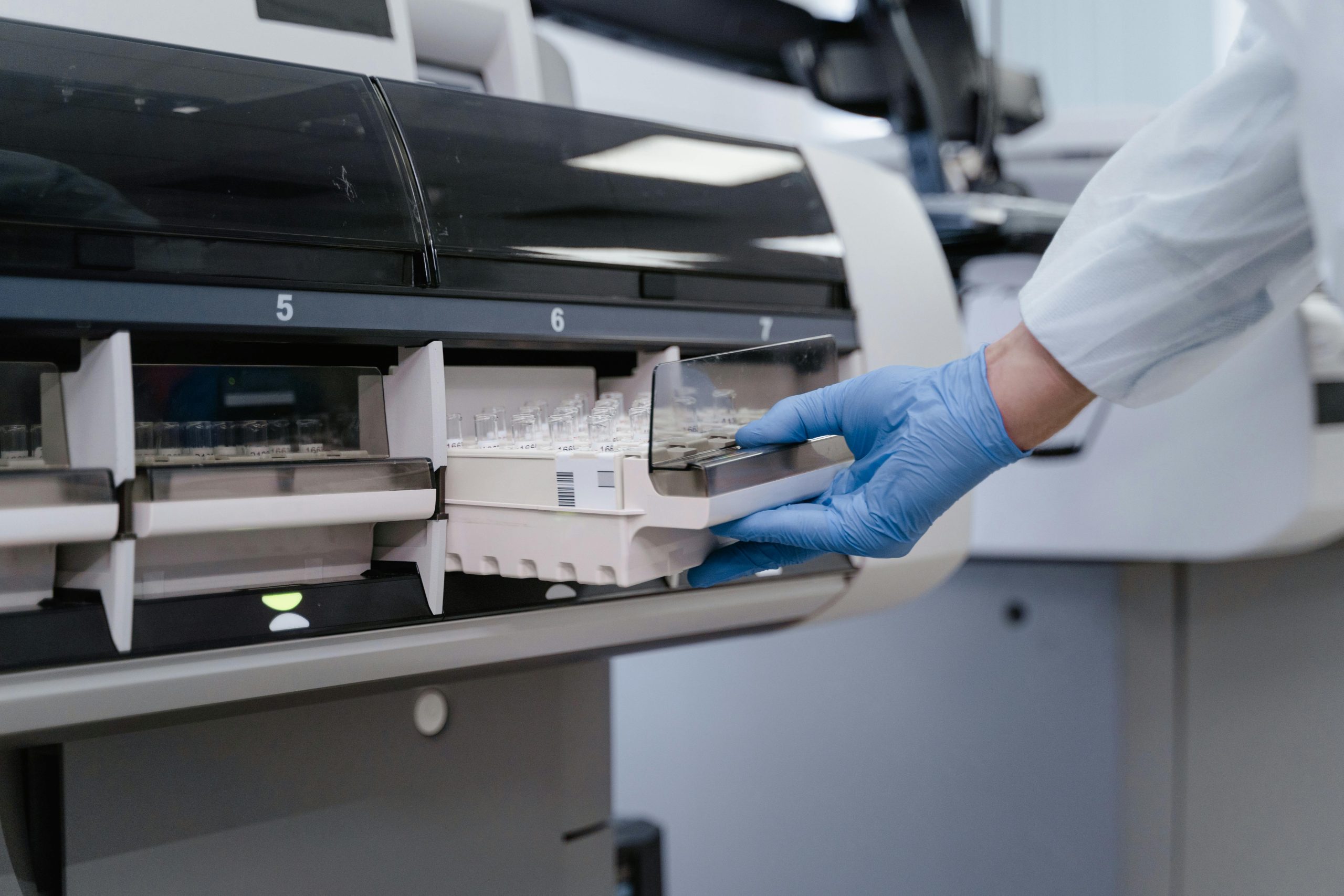
In clinical trial settings, labeling often acts as the keystone to a sample’s successful journey through different treatments, equipment, and sometimes even locations.
Labels must also align with strict frameworks like ICH E6, while ensuring that samples are tracked against an internally recognized and easy-to-use system. Add in common clinical trial hazards such as extreme temperatures, autoclaves, solvents, repeated handling, and abrasion, and you have a difficult challenge for laboratory supply chains when selecting labels.
Instead of filling this guide with marketing buzzwords, we wanted to offer a practical, straightforward look at our product features built for the demands of clinical trials.
CILS offers a wide range of laboratory tamper-evident label formats. In clinical trial settings, where positive results are heavily scrutinized by regulators and external bodies—and are also the desired outcome for research technicians and funders—the potential for tampering can cast doubt on research outcomes.
The following tamper-evident formats can be applied to clinical trial containers and equipment to add another layer of confidence to results:
Perforation Cap and Tube Labels – Split upon rotation of a cap or lid (indicating whether a twist cap has been opened).
Permanent VOID Labels – Leave a permanent trace of tampering when removed from a surface (suitable for sample vessels and associated documentation).
Eggshell Labels – Fragment upon attempted removal (ideal where labels could be maliciously replaced).
In studies using cell therapies, biobanking, or experimental treatments, cryogenics are often essential for storage and sample freezing. Even where cryogenic temperatures are not required, most clinical trials still demand labels that can withstand some form of extreme cold, whether in standard freezers, autoclaves, or post-centrifugation processing.
At CILS, our cold and cryogenic labels are specially formulated to survive temperatures down to -196°C. Subject to your needs, labels can be produced using materials best suited to standard freezers, ultra-low temperature freezers, or liquid nitrogen storage, while also surviving multiple freeze-thaw cycles.
We can pair these materials with specialized adhesives for either temporary or permanent application, formulated for specific labware surfaces such as polypropylene tubes, well plates, and more.
Perhaps the most basic line of defense against miscategorization is color-coded samples. In early-stage clinical trials, color coding helps staff instantly identify sample priority, study, or destination.
CILS color-coded labels are compatible with any required resistance level, ensuring that contrast is not lost even in the most demanding environments. There’s no need for technicians to second-guess shades of red on sample tubes.
For manual cataloging, where sorting or categorization is done by hand, color coding can significantly reduce cognitive load and, more importantly, speed up processing while maintaining all necessary detailed information for analysis, final dispatch, and audit protocols.
Swab containers, biopsy jars, thin glass vials, and in some cases custom devices designed for specific sample collection, clinical trials involve a wide range of surfaces that labels must adhere to. Often, a standard square or rectangular label simply won’t work, leading to creasing, overlap, or poor adhesion.
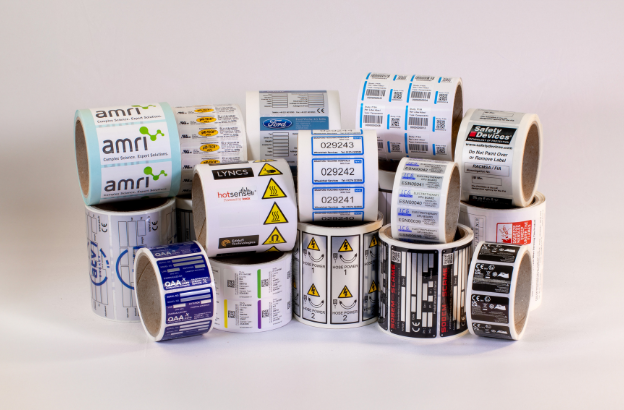
Alongside all the features listed above, CILS specializes in creating durable laboratory labels in any shape, size, color, or design. Whether a small barcode is needed on the cap of a vial or a large GHS warning label is required on the side of a round solvent container, we can supply it. Whether you prefer to print in-house and need blank labels, or require fully printed, ready-to-use solutions, our team is here to help.
For digital tracking or the use of QR codes and barcodes commonplace in clinical trials, our CILS 3.0 technology offers additional peace of mind. Our 3.0 print can withstand 200 rubs of acetone, ensuring labels maintain print quality and significantly reducing the risk of sample information becoming unreadable by digital tracking systems.
Selecting the right label from the above options may seem complex. That’s why our laboratory labeling experts are on hand to help, simply share your use case and leave the rest to us. We can also provide samples tailored to your requirements at no obligation, giving you confidence that your labels will perform before full rollout.
Next time you are sourcing clinical trial labeling solutions, trust the experts.
Get in touch with one of our laboratory specialists today.
We are computer printable label specialists. Pure and simple.
With nearly 40 years of expertise, our tried-and-tested approach will diagnose the right label for your unique needs. We have built our reputation on consistently creating the highest quality durable labels with excellent customer feedback.
TEL: 877-512-8763 (US)
Email: info@cils-international.com